

soft expedition travel
A holiday can include wild coastlines, forest trails, and wildlife encounters without leaving you exhausted. Soft expedition travel combines guided exploration with comfortable accommodation, manageable activity levels, and time to enjoy the destination between excursions.
For travelers balancing demanding jobs, limited vacation days, and a substantial holiday budget, that balance matters. Nobody wants to pay for an ambitious itinerary only to spend each afternoon recovering from it.
The idea is straightforward: choose meaningful outdoor experiences, then invest in the support and comfort that make them enjoyable. Warm weather can be part of the appeal, but good planning matters more than the temperature.
What Soft Expedition Travel Actually Means
Think of the phrase as a planning approach rather than a standardized travel category. One operator’s “gentle adventure” might involve a short coastal walk; another could include several hours on uneven terrain.
Look beyond the label. Ask about daily distances, elevation changes, boat access, swimming requirements, and opportunities to sit out an activity.
Luxury belongs in those practical details too. Reliable transfers, knowledgeable guides, well-maintained equipment, and flexible scheduling can contribute more to the experience than an elaborate room.
Comfortable accommodation doesn’t automatically make an itinerary physically accessible. Check the activities and the property separately, particularly if stairs, tender boats, or long walking distances could be difficult.
Choose the Experience Before the Destination
Begin with what you enjoy doing. Wildlife observation, coastal walking, and snorkeling create very different holidays, even when each itinerary promises nature and relaxation.
Raja Ampat, Indonesia, offers snorkeling, island scenery, and birdwatching possibilities. It suits travelers drawn to marine environments, although the precise experience depends on the route and operator. Compare time on the water with travel between locations before choosing a lodge or vessel.
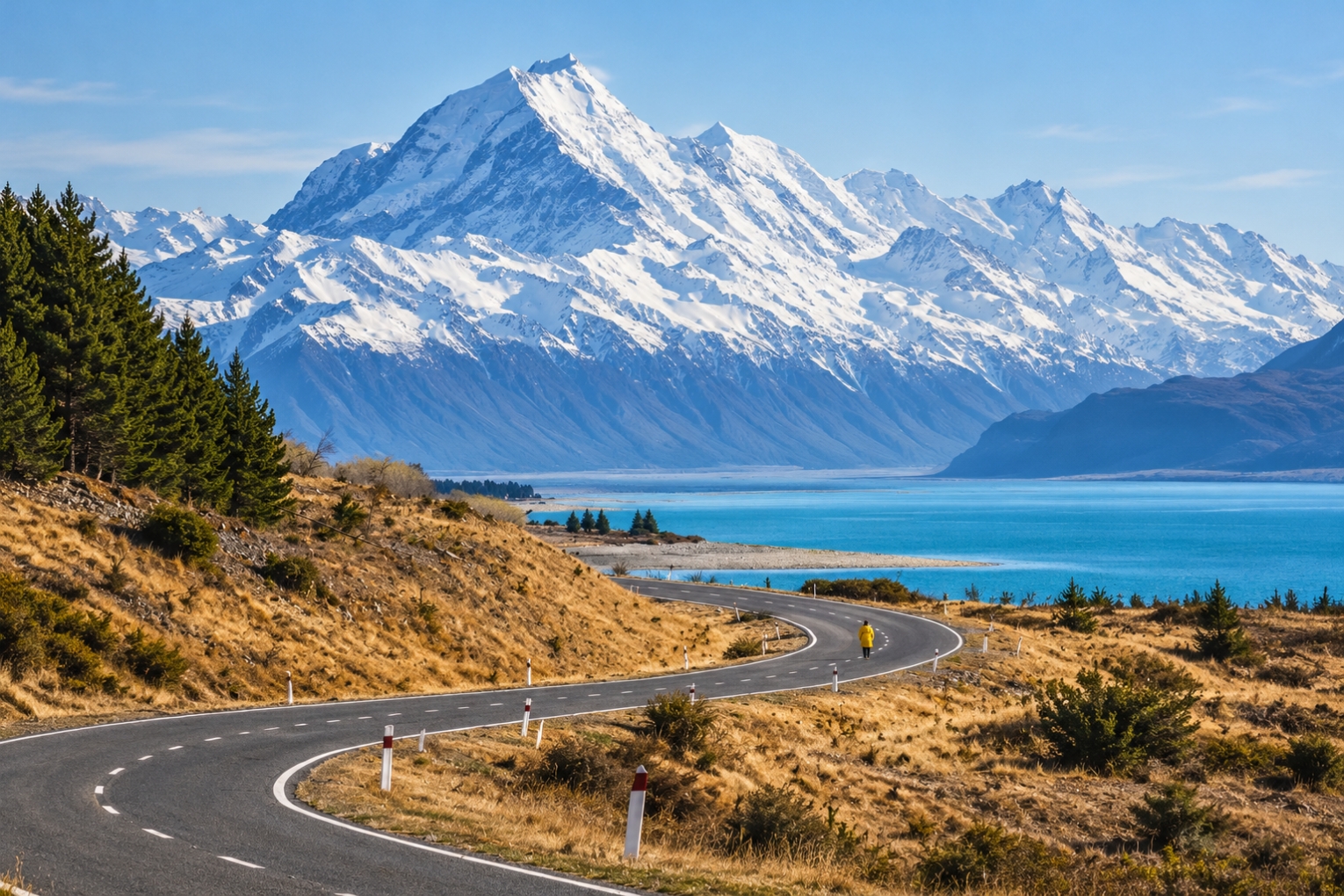
New Zealand offers another direction for walking-focused trips, but its seasons need careful interpretation. Autumn runs from March to May, and weather varies considerably by region. An autumn departure from the Northern Hemisphere falls during New Zealand’s spring. Match the specific route to local conditions rather than assuming the country stays uniformly warm.
For the Peruvian Amazon, rainfall also affects planning. The country’s tourism guidance identifies November through March as the rainy season and April through October as the lower-rainfall period. Discuss seasonal conditions with the operator before comparing departures.
Budget for the Whole Journey
The advertised price rarely answers the most useful question: what will the entire holiday cost?
Compare international and domestic transport, transfers, accommodation, guiding, meals, equipment, excursions, and gratuities. Check whether single supplements or private activities change the total.
A higher-priced itinerary may offer better value if it includes services you would otherwise purchase separately. Equally, an extensive package can waste money when it bundles activities you won’t use.
For soft expedition travel, identify the comforts worth paying for personally. That might mean a private guide, fewer hotel changes, or a quiet cabin. Set a separate allowance for discretionary spending before committing the main budget.
 travel budgeting
Smart Moves Before Paying a Deposit
A clear comparison prevents expensive misunderstandings:
- Request a sample daily schedule with activity duration and difficulty.
- Confirm which meals, transfers, equipment, and excursions are included.
- Check group size and whether alternative activities carry extra charges.
- Read cancellation terms and identify when payments become nonrefundable.
- Confirm that travel insurance covers the planned activities and destination.
A lower deposit doesn’t necessarily mean a lower financial commitment. Read the full payment schedule, including cancellation charges and any balance deadlines.
Leave Space Between the Highlights
An itinerary can look irresistible on paper and still feel relentless in practice. Early starts, transfers, and equipment briefings take time, even when the headline activity lasts only two hours.
Plan around one principal activity on most days, with optional additions where practical. Leave room for a slow lunch, an afternoon swim, or simply watching the landscape change.
Build travel days into the calculation too. A ten-night booking doesn’t necessarily provide ten full days of exploration, especially when reaching a remote property requires multiple connections.
Soft expedition travel works best when the pace matches both your interests and your energy. Choose the destination carefully, understand the total cost, and pay for comfort where it improves the journey. The reward is a holiday with enough adventure to feel memorable and enough breathing room to enjoy it.


